


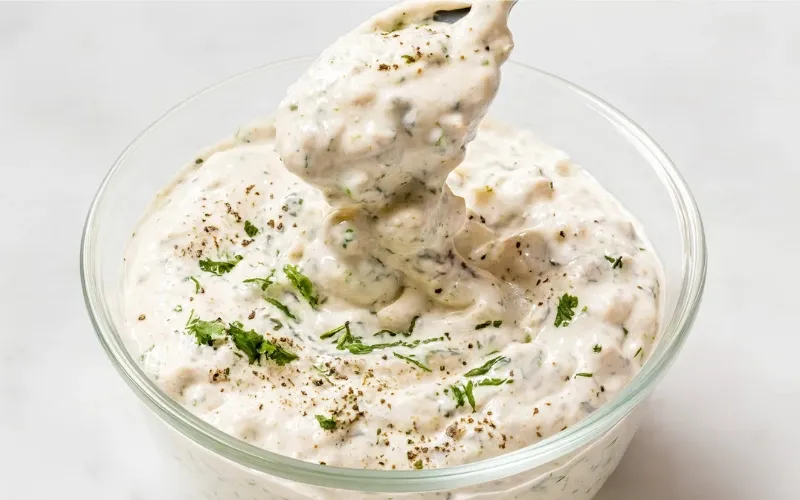
Pasta becomes much more interesting when the sauce suits its shape and texture. At therecipetaste.com, readers can discover useful ideas for preparing sauces at home. A good pasta sauce does not need dozens of ingredients. Fresh tomatoes, garlic, cream, herbs, and cheese can provide many possibilities. Some recipes are ready quickly, while others need more cooking time. The best choice depends on the meal, available ingredients, and personal taste.
Choose Sauce Before Cooking
The type of pasta can influence the sauce you prepare. Long strands often work well with smooth and lighter mixtures. Short shapes can hold thicker sauces inside their curves. Ridged pasta catches small pieces of vegetables and herbs. Large shapes can also work with baked dishes and rich fillings. You do not need to follow strict rules every time. These suggestions simply help the sauce coat the pasta evenly. Think about the final texture before starting preparation. A thin sauce may disappear around a large pasta shape. A very thick mixture may feel heavy with delicate strands. Matching the two can improve the finished dish.
Fresh Tomato Pasta Sauce
Fresh tomato sauce is a practical choice for everyday cooking. It can be made with tomatoes, onion, garlic, olive oil, and herbs. Chop the vegetables into small pieces before heating the pan. Cook onion gently until it becomes soft and slightly translucent. Add garlic and stir briefly to release its aroma. Put the chopped tomatoes into the pan and mix everything. Allow the sauce to simmer until the tomatoes soften. Add salt and black pepper gradually. Fresh basil can provide a pleasant finishing flavor. If the sauce tastes too acidic, cook it longer. A small amount of sweetness may help when needed. Keep the texture slightly chunky or blend it until smooth.
Quick Sauce With Canned Tomatoes
Canned tomatoes are useful when fresh tomatoes are unavailable. They also provide a consistent base for many simple pasta sauces. Choose crushed tomatoes for a smoother starting texture. Whole canned tomatoes can be broken apart during cooking. Add olive oil, garlic, onion, and suitable seasoning. Let the mixture simmer gently while stirring occasionally. The sauce should lose some excess liquid as it cooks. Add a little pasta water if it becomes too thick. This can help the sauce cling to the pasta. Taste before serving because canned products vary in salt content. Add fresh herbs near the end of preparation. This option is convenient for busy evenings.
Creamy White Sauce Basics
White sauce is often prepared using butter, flour, and milk. The butter melts first inside a suitable saucepan. Flour is added and stirred until a smooth paste forms. Cook the mixture briefly to reduce the raw flour taste. Add milk gradually while stirring continuously. This helps prevent lumps from developing. Keep the heat moderate while the sauce thickens. Salt, pepper, and a little nutmeg can provide seasoning. Cheese can be added when a richer result is wanted. Avoid boiling the mixture aggressively. If the sauce becomes too thick, add more milk gradually. It should coat the pasta without becoming difficult to stir.
Garlic And Olive Oil
Garlic and olive oil create a simple pasta coating. The recipe needs only a few ingredients and careful heat control. Warm olive oil inside a pan over moderate heat. Add finely sliced garlic and cook gently. Do not let the garlic turn very dark. Burnt garlic can make the entire dish taste bitter. Add chili flakes when a little heat is preferred. Cooked pasta can then be added directly to the pan. A small amount of pasta water helps create a light coating. Fresh parsley and black pepper can finish the dish. Serve promptly because this style tastes best when freshly prepared.
Pesto Style Sauce At Home
Pesto style sauce brings herbs, nuts, cheese, and oil together. Basil is commonly used for its fresh and recognizable flavor. Garlic and nuts provide a stronger base. Parmesan or another suitable hard cheese adds savory depth. Olive oil helps create a smooth mixture. Blend the ingredients until they reach the desired texture. Add oil gradually rather than pouring everything immediately. A little lemon juice can brighten the flavor. Pesto can be stirred through warm pasta before serving. Avoid cooking it for too long because fresh herbs may lose their character. Store leftovers covered inside the refrigerator and handle them carefully.
Cheese Sauce Without Lumps
Cheese sauce should have a smooth and even texture. Lumps can develop when cheese is added too quickly. Start with a prepared white sauce or another suitable liquid base. Reduce the heat before adding grated cheese. Add small handfuls while stirring continuously. Allow each portion to melt before adding more. Strong cheeses can provide flavor with smaller quantities. Some cheeses melt differently, so the result may vary. Avoid excessive heat because the mixture can separate. If the sauce becomes too thick, add warm milk gradually. Taste before adding extra salt because cheese may already contain plenty.
Sauces For Baked Pasta
Baked pasta usually needs enough sauce to prevent dryness. Tomato and white sauces are both common choices. The pasta may absorb liquid while baking. This means the mixture should not be extremely thick beforehand. Combine cooked pasta with sauce and suitable vegetables. Add cheese when the recipe calls for a baked topping. Spread the mixture evenly inside an oven safe dish. Bake according to the recipe and equipment instructions. Check the center before serving because heating can vary. Allow the dish to rest briefly after cooking. This helps the sauce settle around the pasta. Avoid leaving baked pasta uncovered for too long.
Add Vegetables For More Flavor
Vegetables can make pasta sauce more varied and filling. Mushrooms, peppers, spinach, carrots, and zucchini are useful options. Chop vegetables into pieces that cook at a similar speed. Cook firmer ingredients before adding softer leaves. Mushrooms release moisture, so allow that liquid to reduce. Spinach usually needs only a short cooking period. Roasted vegetables can also be mixed into prepared sauce. Their flavor may be more concentrated after roasting. Avoid adding too many vegetables at once. Excess moisture can make the sauce watery. Choose combinations that suit the sauce base. A tomato sauce can work with peppers, while creamy sauce may suit mushrooms.
Using Pasta Cooking Water
Pasta water can help bring sauce and pasta together. It contains starch released during cooking. Save a small amount before draining the pasta. Add it gradually when mixing pasta with sauce. The starch can help create a smoother coating. Do not pour in too much immediately. Excess liquid can make the finished dish watery. Stir the pasta and sauce together over gentle heat. This allows the ingredients to combine more evenly. The amount needed depends on the pasta shape and sauce thickness. Plain water can work when pasta water is unavailable. However, the starchy liquid often gives a better texture.
Seasoning Pasta Sauce Properly
Seasoning should develop gradually during sauce preparation. Salt, black pepper, garlic, and herbs are common ingredients. Chili flakes can provide heat when desired. Lemon juice can brighten creamy or vegetable based sauces. Dried herbs usually need more cooking time than fresh herbs. Add fresh basil and parsley closer to serving. Taste the sauce before adding more salt. Cheese, stock, and canned tomatoes may already contain sodium. A small amount of seasoning can change the whole result. Avoid adding several strong spices without checking their combined flavor. The aim is a balanced sauce that supports the pasta.
Common Pasta Sauce Problems
A watery sauce may need more gentle cooking time. Stir regularly so the ingredients do not stick. If the sauce becomes too thick, add reserved pasta water. A creamy sauce that separates may have been heated too aggressively. Lower heat and careful stirring can help during preparation. Too much garlic can overpower other ingredients. Add strong flavors gradually when testing a new recipe. Excess salt can be difficult to correct. Adding more unsalted sauce base may reduce its intensity. Do not rely on sugar to fix every tomato sauce problem. First identify whether the issue comes from acidity, salt, or cooking time.
Prepare Sauce For Busy Days
Some pasta sauces can be prepared before the meal. Tomato sauces often reheat well when stored correctly. Cool the mixture before transferring it into a clean container. Refrigerate promptly and use suitable storage practices. Keep fresh herb toppings separate until serving. Cream based sauces may change texture during storage. Reheat them gently and stir regularly. Add a little milk when the mixture becomes too thick. Avoid reheating more food than needed. Smaller portions are easier to handle. Planning ahead can make weekday cooking less stressful. Fresh pasta and reheated sauce can still make a satisfying meal.
Conclusion
Pasta sauce can be simple, creamy, fresh, rich, or full of vegetables. The best choice depends on the pasta shape and meal style. Tomato, garlic, cheese, herbs, and olive oil provide useful starting points. Control the heat and adjust consistency as the sauce cooks. Save a little pasta water when preparing the final dish. Taste before adding extra salt or strong seasonings. Small adjustments often make the biggest difference. Visit therecipetaste.com for more practical recipes and everyday cooking inspiration. Prepare a sauce that suits your pasta and enjoy a better homemade meal.
Read also :-