


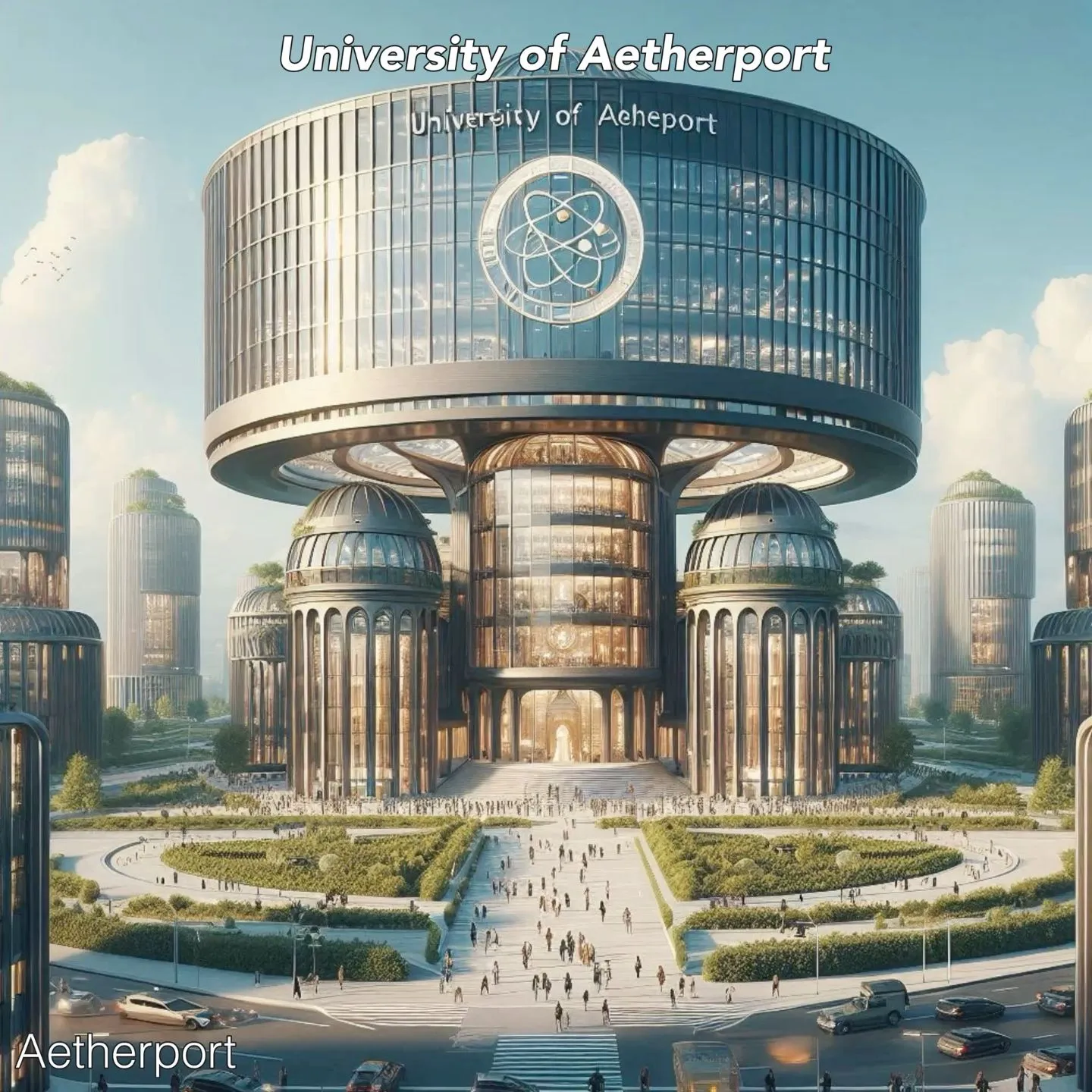
In a significant move to position Karnataka as a global hub for advanced technological innovation, Visvesvaraya Technological University (VTU) has announced the launch of a cutting-edge research and innovation centre aimed at fostering next-generation technology development. The initiative, backed by academic and industry collaboration, marks a transformative step toward making Indian institutions central to global tech evolution.
The new research centre will focus on a wide range of emerging and disruptive technologies, including artificial intelligence (AI), quantum computing, blockchain, robotics, Internet of Things (IoT), cybersecurity, and green energy solutions. By integrating interdisciplinary expertise with industry demand, the VTU centre aims to accelerate innovation, generate IP (Intellectual Property), and support startup incubation in high-tech fields.
Table of Contents
ToggleDriving the Future of Technology from India’s Heartland
Visvesvaraya Technological University, named after the legendary engineer and Bharat Ratna Sir M. Visvesvaraya, has always had a legacy of engineering excellence. This new research initiative is aligned with that legacy while addressing 21st-century technological challenges.
The university’s Vice-Chancellor stated that the centre will be designed to:
-
Encourage student-led innovation and research
-
Enable real-time collaboration with tech companies and R&D labs
-
Promote applied research in next-gen domains
-
Offer PhD and post-doctoral research opportunities in frontier areas
“The aim is not just to create knowledge but to translate it into solutions that impact the real world,” said the Vice-Chancellor during the announcement.
Focus Areas of the New VTU Research Centre
The centre is expected to work on high-impact themes that resonate with both national strategic interests and global technological trends:
🔹 Artificial Intelligence & Machine Learning
From deep learning algorithms to AI in healthcare, agriculture, and education, the centre will focus on building AI models tailored for Indian contexts.
🔹 Quantum Computing
Recognizing India’s ambitions to be a quantum leader, VTU’s facility will research quantum communication, cryptography, and quantum material development.
🔹 Blockchain & Web3 Technologies
Use-cases for decentralized technologies in governance, finance, supply chain, and cybersecurity will be explored in collaboration with blockchain startups.
🔹 Robotics and Automation
From industrial robotics to humanoid systems, the centre will prototype next-gen automation tools for manufacturing and services.
🔹 Sustainable Tech and Green Energy
Clean energy solutions, waste management systems, and climate-resilient technologies will form a significant part of the centre’s sustainability focus.
🔹 Cybersecurity and Ethical Hacking
With cyber threats escalating, the centre will also work on digital threat modeling, secure architecture, and ethical penetration testing frameworks.
Industry-Academia Partnerships: A Key Pillar
One of the defining features of the new VTU research centre is its strong industry-academia interface. Top tech companies, research think tanks, and public sector units are expected to collaborate via:
-
Joint R&D projects
-
Sponsored PhD programs
-
Technology internships for students
-
Hackathons and innovation challenges
-
Seed funding for campus startups
Partnerships with companies like Infosys, TCS, Wipro, DRDO, ISRO, and Intel India are reportedly being discussed to provide mentorship, infrastructure, and funding.
“Bridging the gap between classroom learning and real-world application is critical,” noted a senior VTU official. “This centre will act as a launchpad for applied innovation.”
Opportunities for Students and Researchers
The new centre is also being hailed as a game-changer for engineering students and early-career researchers in Karnataka and across India.
Benefits include:
-
Access to state-of-the-art labs and supercomputing clusters
-
Mentorship from leading scientists and industry experts
-
Opportunities to publish research in international journals
-
Participation in global tech competitions and innovation forums
-
Incubation support for turning projects into scalable startups
Undergraduate and postgraduate students will be encouraged to submit proposals for independent research, many of which may qualify for fellowships and grants.
A Strategic Move in India’s Tech Roadmap
The move aligns with the National Education Policy (NEP 2020) and India’s long-term goals in self-reliant innovation (Atmanirbhar Bharat). It also supports the Digital India and Startup India missions by nurturing research-driven entrepreneurship from within academia.
This initiative comes at a time when India is making substantial investments in its semiconductor ecosystem, AI frameworks, and space research—domains where VTU’s new research centre is expected to play a supporting and complementary role.
Global Collaboration on the Horizon
While the initial focus is domestic, the centre also aims to forge global collaborations with:
-
IITs and IISc for research co-development
-
Top international universities like MIT, Stanford, ETH Zurich
-
Technology councils and innovation hubs across Europe, the US, and Southeast Asia
These partnerships will allow VTU researchers to stay at the cutting edge of global science and technology, ensuring international relevance and recognition.
The Way Forward
Construction and infrastructure setup for the new centre are set to begin this year, with the first phase operational by mid-2026. The university has allocated dedicated land, funding, and academic staffing for the project.
There are also plans to host:
-
Annual Tech Symposia
-
Innovation Expos
-
Workshops and training sessions
-
Patent and IPR clinics
All designed to create a vibrant research ecosystem that not only builds future technologies but also future-ready technologists.
Conclusion: A Bold Step Toward India’s Tech-First Future
With the launch of its next-gen technology research centre, Visvesvaraya Technological University is not just building infrastructure—it’s shaping the next generation of inventors, innovators, and entrepreneurs. It reflects a commitment to making Indian academic institutions not just centers of learning, but engines of innovation that can contribute to national and global progress.
As India positions itself to become a tech superpower, initiatives like this from public universities will play a pivotal role in ensuring inclusive, indigenous, and impactful development in science and technology.
FAQs
Q1. What is the primary focus of VTU’s new research centre?
The centre will focus on emerging technologies such as AI, quantum computing, blockchain, robotics, green tech, and cybersecurity.
Q2. Who can access the research centre facilities?
VTU students, researchers, faculty, and collaborating industry professionals will have access. There will also be open innovation challenges for external applicants.
Q3. When will the research centre be operational?
The centre is expected to become partially operational by mid-2026, with full-scale research and incubation activities commencing soon after.
Read More: