


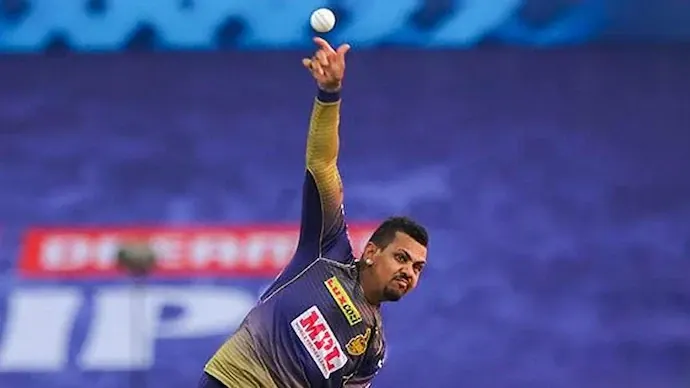
Death overs bowling trends have become one of the most talked-about aspects of modern cricket, especially in an era where T20 leagues, aggressive batting, and flat pitches dominate the game. From packed stadiums during IPL nights to high-pressure World Cup knockouts, the final overs of an innings often decide the outcome. Bowlers operating in this phase are no longer just fast arms with courage; they are strategic thinkers, analysts, and performers under extreme pressure.
In the early days of limited-overs cricket, death overs bowling was mostly about pace and luck. Today, it is a refined craft shaped by data analytics, biomechanics, mental conditioning, and match awareness. Watching a bowler defend eight runs in the final over against a world-class finisher now feels as thrilling as a century. This shift tells a deeper story about how the role of bowlers has evolved and why death overs bowling has become an art form.
Understanding the Modern Context of Death Overs Bowling
The modern game has forced bowlers to adapt faster than ever. Bigger bats, shorter boundaries, impact player rules, and fearless batting mindsets have changed expectations. Yet, instead of surrendering, bowlers have fought back with innovation and intelligence. Death overs bowling trends reflect this evolution, where survival has turned into strategic dominance.
A decade ago, conceding ten runs an over at the death was acceptable. Today, teams expect bowlers to defend even seven or eight runs consistently. This shift has increased the value of specialists who thrive under pressure. Players like Jasprit Bumrah, Lasith Malinga, Mitchell Starc, and Kagiso Rabada are celebrated not just for speed but for clarity of execution.
What makes the death overs unique is the mental battle. The margin for error is tiny, and one poor delivery can undo an entire spell. Bowlers now prepare specifically for this phase, often training scenarios where they defend set targets with specific field placements and ball choices.
Evolution of Bowling Skills in the Death Overs
The biggest transformation in death overs bowling lies in skill specialization. Earlier, fast bowlers relied heavily on pace or bouncers. Modern bowlers combine multiple skills within a single over. Yorkers are no longer just full and fast; they are slower, angled, dipping, and sometimes disguised until the last moment.
Slower balls have also evolved. The traditional off-cutter has been joined by back-of-the-hand deliveries, split-finger variations, and knuckleballs. These changes align with Death overs bowling trends, where deception matters more than raw speed. A well-disguised slower ball at 130 km/h can be more effective than a predictable 145 km/h delivery.
Another noticeable shift is accuracy under fatigue. Bowlers are expected to deliver pinpoint yorkers after running hard for six or seven overs. This has increased focus on fitness, repeatable actions, and muscle memory. Coaches now design training routines that replicate match-day exhaustion, ensuring bowlers remain effective till the last ball.
Data Analytics and Its Impact on Death Overs Strategy
Cricket analytics has quietly transformed how death overs are planned and executed. Teams now enter matches with detailed data on batter weaknesses, preferred scoring areas, and response patterns under pressure. Bowlers are briefed on where to miss, when to attack the stumps, and when to bowl wide yorkers.
Death overs bowling trends show a clear rise in matchup-based bowling. A right-arm pacer might be chosen over a left-armer not for skill alone, but because data suggests the batter struggles against that angle. This level of preparation has made death overs a chess match rather than a guessing game.
Real-life examples highlight this change. During recent IPL seasons, teams have defended modest totals purely through smart death overs execution. Bowlers stick to pre-decided plans, trusting data even when the crowd noise rises. This trust in preparation is a hallmark of modern cricket intelligence.
The Rise of Specialist Death Bowlers
One of the clearest indicators of changing death overs dynamics is the emergence of specialist death bowlers. These are players selected primarily for their ability to bowl in overs 16 to 20. Their value often surpasses that of all-rounders or middle-overs specialists in T20 formats.
This trend reflects how franchises and national teams prioritize impact moments. Death overs bowling trends reveal that teams are willing to invest heavily in bowlers who can consistently execute under pressure. Auction prices, contracts, and team strategies all point toward this shift.
These specialists often have limited variations but exceptional control. Their strength lies in knowing their best delivery and executing it regardless of the situation. Fans might expect variety, but experienced death bowlers understand that clarity beats complexity when stakes are high.
Psychological Strength and Decision-Making Under Pressure
Bowling at the death is as much about the mind as it is about skill. The best death bowlers display calmness that borders on indifference, even when sixes are flying. This mental toughness is developed through experience, simulation, and self-belief.
Modern coaching emphasizes visualization and pressure training. Bowlers rehearse worst-case scenarios mentally, preparing themselves to bounce back after being hit. This psychological readiness is a defining feature of current Death overs bowling trends.
A famous example can be seen in international tournaments where bowlers return after conceding consecutive boundaries and still nail the next yorker. Such moments underline the importance of emotional control. Teams now employ sports psychologists to help bowlers maintain focus and confidence during crunch moments.
Role of Field Placements and Captaincy
Death overs bowling does not exist in isolation. Captaincy and field placement play a massive role in supporting bowlers. Smart captains understand that trusting a bowler’s plan is more important than reacting emotionally to one bad ball.
Modern captains often set defensive fields that align with bowling strategies. Wide yorkers are supported by deep point and third man, while full straight deliveries rely on long-on and long-off. These subtle decisions reflect how Death overs bowling trends are deeply connected to leadership and awareness.
Communication between bowler and captain has also improved. Quick mid-over chats, hand signals, and pre-planned strategies ensure alignment. This synergy reduces confusion and helps bowlers stay committed to their plans.
Influence of T20 Leagues on Death Overs Innovation
Global T20 leagues have acted as laboratories for death overs experimentation. Bowlers face the best batters from around the world, forcing rapid adaptation. What works in one league is studied, refined, and applied elsewhere.
Death overs bowling trends seen in leagues like the IPL, BBL, and PSL often influence international cricket within months. Wide yorkers, slower bouncers, and pace-off deliveries gained popularity through league performances before becoming mainstream strategies.
Young bowlers benefit immensely from this exposure. Sharing dressing rooms with experienced internationals accelerates learning. They observe how veterans handle pressure, plan overs, and recover from setbacks, shaping the next generation of death overs specialists.
Technological Advancements and Biomechanics
Technology has added another layer to death overs preparation. High-speed cameras, motion sensors, and biomechanics analysis help bowlers fine-tune their actions. Minor adjustments in wrist position or release point can significantly improve accuracy.
These tools support the broader Death overs bowling trends focused on efficiency and sustainability. Bowlers aim to reduce injury risk while maintaining performance, especially given packed cricket calendars. Managing workload ensures they remain effective during critical match moments.
Technology also aids recovery. Faster recovery cycles allow bowlers to maintain sharpness across tournaments. This consistency is crucial when teams rely heavily on their death overs resources.
Challenges Bowlers Still Face at the Death
Despite advancements, death overs remain brutally challenging. Batters continue to innovate, using scoops, reverse hits, and premeditated shots. Bowlers must constantly stay ahead to survive.
Pitch conditions, dew, and pressure situations add layers of complexity. Death overs bowling trends highlight adaptability as the most valuable trait. Bowlers who can adjust length, pace, and strategy mid-over often succeed where rigid plans fail.
Another challenge is expectation. Fans and teams now expect near-perfection, leaving little room for error. Managing this pressure requires maturity and support from team management.
The Future of Death Overs Bowling
Looking ahead, death overs bowling is likely to become even more specialized. Younger bowlers are being trained specifically for this phase from early stages. Domestic cricket structures are adapting to identify and groom such talent.
As batting continues to evolve, bowlers will respond with smarter variations and deeper planning. Death overs bowling trends suggest a future where execution, intelligence, and mental strength outweigh raw pace.
The beauty of this evolution lies in balance. Cricket remains a contest between bat and ball, and the death overs represent its most intense form. Each successful defense adds a new chapter to the ongoing story of innovation and resilience in the game.
In modern cricket, the final overs are no longer about damage control. They are about control itself. Bowlers who master this phase don’t just win matches; they redefine what is possible under pressure.
Read also:
australian men’s cricket team vs sri lanka national cricket team match scorecard
pakistan national cricket team vs australian men’s cricket team match scorecard
afghanistan national cricket team vs bangladesh national cricket team match scorecard
sri lanka national cricket team vs new zealand national cricket team match scorecard