


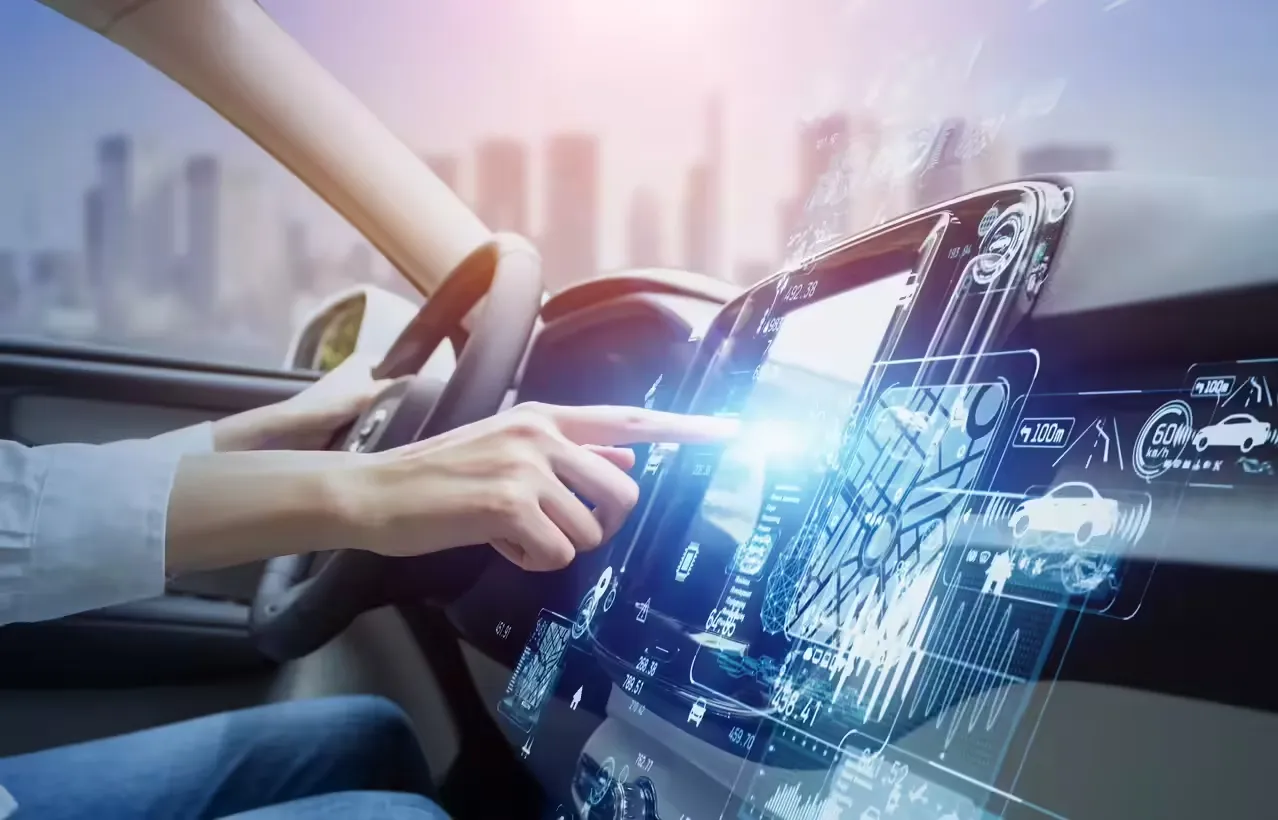
Connected Car Systems are transforming how we drive, communicate, and interact with our vehicles. By integrating advanced sensors, connectivity platforms, and real-time data analytics, modern cars are no longer isolated machines—they are intelligent, networked devices capable of enhancing safety, efficiency, and convenience.
From navigation to predictive maintenance, connected systems offer a holistic experience that benefits drivers, passengers, and fleet operators alike. Today’s vehicles can communicate with each other, infrastructure, and cloud platforms, creating a smarter driving ecosystem.
In this article, we’ll explore the key components of Connected Car Systems, the latest innovations, real-world applications, and the future of connected mobility.
Understanding Connected Car Systems
Connected vehicles rely on an ecosystem of sensors, control units, and communication technologies. These systems gather, process, and transmit data in real-time, allowing vehicles to respond intelligently to dynamic environments.
Connected Car Systems include vehicle-to-vehicle (V2V) and vehicle-to-infrastructure (V2I) communication, infotainment integration, telematics, and advanced driver assistance systems (ADAS). Together, these technologies enhance driving safety, convenience, and performance.
The goal is seamless interaction: vehicles not only provide feedback to drivers but also adapt proactively to optimize routes, manage energy, and predict maintenance needs.
Advanced Sensors and Data Integration
At the heart of connected vehicles are sophisticated sensors. Cameras, radar, LiDAR, ultrasonic sensors, and GPS units collect a wealth of information about the car’s surroundings.
Connected Car Systems integrate this data to enable real-time decision-making. For example, adaptive cruise control uses radar and cameras to maintain a safe distance, while lane-keeping systems monitor road markings and adjust steering automatically.
Automakers such as Tesla and BMW are leading the integration of sensor-rich platforms to improve both safety and convenience.
Vehicle-to-Everything (V2X) Communication
One of the most transformative aspects of Connected Car Systems is V2X communication. Vehicles equipped with V2V and V2I capabilities can exchange information with other cars, traffic lights, and infrastructure.
This communication allows for proactive safety alerts, smoother traffic flow, and reduced congestion. For instance, a vehicle approaching an intersection can receive data about cross traffic or road hazards in advance, allowing the driver or system to react proactively.
V2X is also critical for autonomous driving, where split-second decisions rely on extensive environmental awareness and inter-vehicle communication.
Infotainment and Smart Connectivity
Modern connected cars are no longer just about mobility—they are integrated hubs of information and entertainment. Infotainment systems connect drivers and passengers to navigation, music, real-time traffic updates, and voice-controlled assistants.
Connected Car Systems also allow smartphones to integrate seamlessly with vehicle dashboards. Applications for route planning, remote diagnostics, and over-the-air software updates enhance user experience.
For families and commuters alike, these systems turn every drive into a connected, interactive experience without compromising safety.
Predictive Maintenance and Telematics
Connected vehicles leverage telematics to monitor system health continuously. Sensors track engine performance, battery status, and tire pressure, alerting drivers to potential issues before they become critical.
Connected Car Systems can predict maintenance needs based on driving patterns, reducing breakdowns and repair costs. Fleet operators use these insights to optimize vehicle uptime and manage operational expenses efficiently.
Predictive maintenance exemplifies how connected systems enhance reliability, safety, and cost-effectiveness simultaneously.
Real-World Example: Tesla Autopilot
Tesla’s Model 3 features advanced Connected Car Systems that integrate sensors, cameras, and AI-driven software. Autopilot provides lane keeping, adaptive cruise control, and navigation-based acceleration and braking.
Drivers experience improved safety, convenience, and efficiency, demonstrating the practical benefits of connected technology in daily driving scenarios. Tesla’s over-the-air updates ensure that the vehicle’s capabilities evolve continuously, keeping drivers at the cutting edge of innovation.
Safety Enhancements with Connected Systems
Safety is a primary driver for connected technology. Advanced collision warning systems, emergency braking, and pedestrian detection rely on real-time sensor data and connectivity.
Connected Car Systems enable faster response times than human reflexes alone. Vehicles can detect hazards, warn the driver, and even intervene to prevent accidents.
These systems are particularly valuable in urban environments where unpredictable traffic patterns and pedestrians increase the risk of collisions.
Energy Efficiency and Environmental Impact
Connected systems also optimize energy usage. Electric and hybrid vehicles can leverage predictive route planning, regenerative braking, and smart battery management to maximize efficiency.
Connected Car Systems communicate with charging infrastructure, enabling optimized charging schedules and reduced energy waste. Over time, these innovations contribute to lower emissions and a smaller environmental footprint, making connected mobility both practical and sustainable.
Fleet Management and Commercial Applications
Connected technology is transforming fleet management. Delivery services, logistics companies, and ride-sharing operators use real-time data to monitor vehicle location, fuel efficiency, and maintenance needs.
Connected Car Systems enable predictive routing, reduce downtime, and enhance driver safety. This integration of connectivity, analytics, and automation is revolutionizing commercial transportation, improving operational efficiency while cutting costs.
Cybersecurity in Connected Vehicles
As vehicles become more connected, cybersecurity is critical. Systems must protect against hacking, data breaches, and unauthorized access.
Automakers implement encryption, firewalls, and secure software update protocols to safeguard Connected Car Systems. Ensuring robust cybersecurity is essential for maintaining driver trust and vehicle reliability, particularly as autonomous driving becomes more prevalent.
Regulatory and Standardization Challenges
Connected vehicle technology faces regulatory and standardization hurdles. Governments and industry groups work to create uniform protocols for V2X communication, data privacy, and safety compliance.
Connected Car Systems must adhere to these standards to ensure interoperability, particularly in regions with multiple automakers and infrastructure providers. Collaborative efforts are ongoing to enable safer, more efficient connected mobility at a global scale.
The Future of Connected Car Systems
The future of connected vehicles is closely tied to autonomous driving, AI integration, and smart city initiatives. Vehicles will increasingly interact with traffic systems, pedestrians, and other connected devices to optimize traffic flow and reduce accidents.
Connected Car Systems will also incorporate machine learning to adapt to driver behavior, anticipate hazards, and manage energy consumption more efficiently. As infrastructure becomes smarter, connected vehicles will be able to leverage real-time traffic, weather, and environmental data for safer and more efficient journeys.
User Experience and Personalization
Personalization is becoming a key focus of connected vehicle design. Modern vehicles can adjust seating, climate, infotainment, and driving dynamics based on driver profiles.
Connected Car Systems enable a tailored experience for each occupant, enhancing comfort, convenience, and satisfaction. Voice commands, gesture control, and adaptive interfaces are examples of how connected systems enhance interaction without distracting drivers.
Integration with Smart Cities
Connected vehicles are integral to the smart city ecosystem. Traffic lights, parking systems, and public transit can communicate with vehicles to optimize traffic flow and reduce congestion.
Connected Car Systems can interact with infrastructure to suggest alternative routes, minimize idling, and reduce overall emissions. This integration represents a holistic approach to urban mobility, where vehicles and cities work together for efficiency and safety.
Challenges and Opportunities
Despite their benefits, Connected Car Systems face challenges such as cybersecurity risks, data privacy concerns, and high development costs. Ensuring reliable communication and system resilience is critical.
However, the opportunities are immense. Connected vehicles improve safety, efficiency, and convenience while enabling new business models for mobility services. Automakers, technology providers, and regulators are collaborating to overcome challenges and unlock the full potential of connected mobility.
Cost Considerations and Adoption
Implementing advanced connected features adds cost, but the benefits often outweigh initial expenses. Safety, efficiency, and convenience enhancements translate into long-term value for both consumers and fleet operators.
Connected Car Systems adoption is accelerating as consumers recognize the advantages of intelligent vehicles. Over time, economies of scale and technological improvements will make connected features more accessible across vehicle segments.
Conclusion
Connected Car Systems are reshaping the automotive landscape by merging intelligent technology with practical mobility. From safety enhancements to energy efficiency, infotainment, and fleet management, connected vehicles offer a smarter, safer, and more enjoyable driving experience.
As technology continues to advance, the integration of AI, V2X communication, and predictive analytics will make vehicles more adaptive and connected than ever, redefining what it means to drive in the modern era.
Read also: