


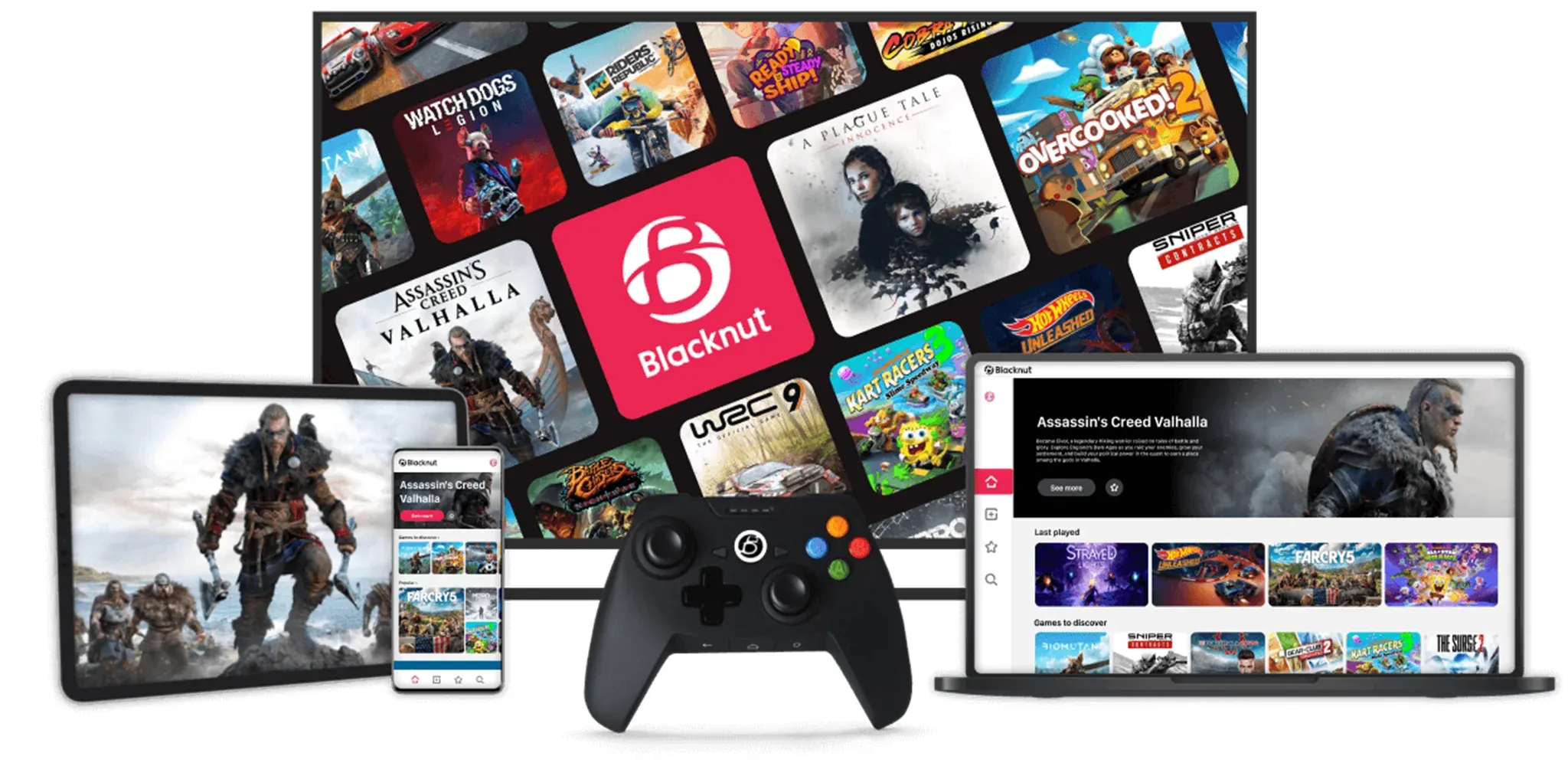
Cloud gaming platforms are changing how gamers play, share, and experience digital worlds. Instead of buying expensive gaming PCs or consoles, players can now stream games directly over the internet, similar to watching a movie on Netflix. This shift is not just a trend—it’s a major transformation in the gaming industry that is shaping the future of entertainment.
Imagine launching a high-end game on a basic laptop, smartphone, or smart TV without downloading gigabytes of files. That’s the promise of cloud gaming, and it’s already becoming a reality for millions of gamers worldwide.
What Are Cloud Gaming Platforms?
Cloud gaming platforms are online services that allow users to stream video games from remote servers instead of running them on local hardware. The game is processed in a data center, and the video output is streamed to the player’s device in real time. Player inputs are sent back to the server instantly, creating a seamless gaming experience.
This technology removes the need for powerful hardware, making gaming accessible to more people. A stable internet connection and a compatible device are often the only requirements.
How Cloud Gaming Works Behind the Scenes
To understand the magic of cloud gaming, it helps to know how the system operates. When you play a game via the cloud, the game runs on a powerful remote server. The server processes graphics, physics, and AI, then streams the visuals to your device like a live video feed.
Your controller or keyboard inputs travel back to the server, which updates the game accordingly. This process happens in milliseconds, which is why low latency and high-speed internet are crucial for smooth gameplay.
Why Cloud Gaming Platforms Are Becoming Popular
The rise of Cloud gaming platforms is driven by convenience and affordability. Gamers no longer need to upgrade hardware every few years, and they can play the latest titles on multiple devices.
Another reason for their popularity is the global shift toward digital services. Just like music and movies moved to streaming platforms, gaming is following the same path. Cloud gaming fits perfectly into the modern lifestyle, where users prefer instant access over ownership.
Real-Life Example: Gaming on Any Device
Consider a student who owns only a budget laptop for schoolwork. In the past, playing high-end games would have required a gaming PC or console costing hundreds of dollars. With cloud gaming, the student can subscribe to a service and play AAA titles directly through a browser or app.
This democratization of gaming is one of the most exciting aspects of cloud technology.
Key Features of Modern Cloud Gaming Platforms
Cloud gaming services offer features that go beyond traditional gaming setups. Players can start a game on one device and continue on another without losing progress. Automatic updates, cloud saves, and cross-platform compatibility are often included.
These platforms also provide instant access to large game libraries, eliminating the need for physical discs or long downloads.
Cloud Gaming Platforms and the Future of Game Distribution
Game distribution is shifting from physical and downloadable copies to subscription-based streaming. This model benefits both players and developers. Players enjoy lower upfront costs, while developers reach a broader audience without piracy concerns.
Publishers can also release updates and patches instantly, improving game quality and security.
Benefits for Casual and Hardcore Gamers
Cloud gaming is not just for casual players. Hardcore gamers can also benefit from high-end performance without investing in expensive rigs. Casual gamers enjoy the ability to play occasionally without committing to costly hardware.
This flexibility makes cloud gaming attractive to a wide range of audiences.
Performance and Latency Challenges
Despite its advantages, cloud gaming faces technical challenges. Latency, or input lag, can affect gameplay, especially in fast-paced competitive games. Internet speed and server proximity play a significant role in performance.
Companies are investing heavily in data centers and edge computing to reduce latency and improve the gaming experience.
Cloud Gaming Platforms in Esports and Competitive Gaming
Competitive gaming demands precision and low latency, which makes cloud gaming a challenging yet promising option. As technology improves, cloud gaming could become a viable platform for esports tournaments and professional players.
Some platforms are already experimenting with cloud-based competitive modes, showing the potential of this technology.
Security and Data Privacy in Cloud Gaming
Security is a major concern for any online service. Cloud gaming platforms store user data, game progress, and payment information on remote servers. Companies use encryption and secure authentication methods to protect user data.
Players should still use strong passwords and enable two-factor authentication for added security.
Cloud Gaming Platforms and Content Creation
Content creators and streamers benefit from cloud gaming because they can play and stream games without high-end hardware. This lowers the barrier to entry for aspiring creators and expands the gaming community.
Cloud gaming also enables instant sharing of gameplay clips and live streaming directly from the platform.
Economic Impact on the Gaming Industry
The growth of Cloud gaming platforms is reshaping the gaming economy. Subscription models provide recurring revenue for companies, while players save money on hardware and game purchases.
This shift is similar to how Netflix changed the film industry and Spotify transformed music consumption.
Cloud Gaming and Global Accessibility
Cloud gaming has the potential to bring gaming to regions where consoles and gaming PCs are unaffordable. As internet infrastructure improves worldwide, more players can access high-quality gaming experiences.
This global reach could create new gaming communities and markets.
Cloud Gaming Platforms and Game Development
Developers are adapting to cloud-based environments by optimizing games for streaming. This includes reducing latency, improving compression, and designing games that work well across devices.
Cloud gaming also allows developers to experiment with new gameplay mechanics that rely on server-side processing.
Subscription Models and Pricing Trends
Most cloud gaming services operate on subscription models, offering access to a library of games for a monthly fee. Some platforms allow users to purchase individual games in addition to subscriptions.
This flexible pricing structure appeals to both casual and dedicated gamers.
The Role of 5G and Future Networks
The rollout of 5G networks is expected to boost cloud gaming performance. Faster speeds and lower latency will make cloud gaming more reliable, even on mobile devices.
Future network technologies could make cloud gaming the primary way people play games.
Cloud Gaming Platforms and Virtual Reality
Virtual reality requires powerful hardware, but cloud gaming could change that. By processing VR content on remote servers, users could experience VR games on lightweight devices.
This could make VR gaming more accessible and affordable.
Environmental Impact of Cloud Gaming
Cloud gaming reduces the need for physical hardware production, which could lower electronic waste. However, data centers consume significant energy, raising environmental concerns.
Companies are exploring renewable energy solutions to make cloud gaming more sustainable.
Social Features and Multiplayer Experiences
Cloud gaming platforms often include built-in social features such as multiplayer matchmaking, voice chat, and friend lists. These features enhance the gaming experience and foster online communities.
Players can connect with friends instantly, regardless of the device they use.
Cloud Gaming Platforms in Education and Training
Gaming is increasingly used for education and training, and cloud gaming makes it easier to access educational games and simulations. Schools and institutions can use cloud-based games for learning without investing in expensive hardware.
This opens new possibilities for gamified learning.
Challenges Facing Cloud Gaming Adoption
While cloud gaming is promising, challenges remain. Internet availability, data caps, and regional server coverage can limit adoption. Some gamers also prefer owning physical copies of games.
Despite these challenges, the industry is moving steadily toward cloud-based solutions.
Cloud Gaming Platforms and Cross-Platform Play
Cross-platform gaming allows players on different devices to play together. Cloud gaming naturally supports this feature, as all players connect to the same servers.
This creates a unified gaming ecosystem where device limitations no longer matter.
Business Opportunities for Developers and Publishers
Cloud gaming creates new business opportunities for developers and publishers. Smaller studios can reach global audiences without worrying about hardware compatibility. Publishers can experiment with new monetization models and live-service games.
This innovation could lead to more diverse and creative games.
The Future of Cloud Gaming Platforms
The future of Cloud gaming platforms looks promising as technology continues to evolve. With advancements in AI, edge computing, and network infrastructure, cloud gaming could become the dominant way people play games.
As more players embrace streaming services, the gaming industry will continue to shift toward cloud-based experiences, transforming how games are developed, distributed, and played.
Cloud gaming platforms are not just a technological innovation—they represent a cultural shift in how people experience interactive entertainment. From casual gamers to professional players, from students to content creators, cloud gaming is redefining accessibility, affordability, and convenience in the gaming world.
Read also:-
pielolitiase
how about model xupikobzo987
photoaconpan
demissexusl
6479063864