


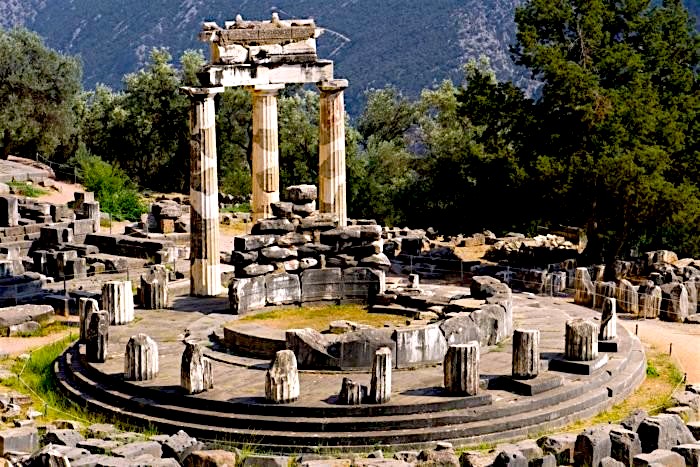
Cultural Heritage in Greece is a journey through time, where myths, philosophy, art, and traditions come alive in every corner of the country. From the mighty ruins of the Acropolis to the delicate craft of Greek pottery, this heritage is a living reminder of how history continues to shape the present. Walking through the streets of Athens or the villages of Crete feels like stepping into a storybook where each chapter celebrates both resilience and beauty.
Ancient Foundations of Cultural Heritage in Greece
The origins of Cultural Heritage in Greece date back thousands of years, with ancient civilizations leaving their mark through architecture, literature, and philosophy. The Parthenon, standing proudly atop the Acropolis, remains a global symbol of democracy and human achievement.
Philosophers like Socrates, Plato, and Aristotle contributed ideas that still influence education, politics, and ethics today. Greek tragedies and comedies laid the foundation of theater, while epic works like Homer’s Iliad and Odyssey captured the spirit of heroism and adventure.
This ancient foundation forms the heart of Greece’s identity, attracting millions who seek to connect with the birthplace of Western civilization.
Architectural Wonders and Monuments
No discussion of Cultural Heritage in Greece is complete without exploring its monuments. The temples of Delphi, the stadium at Olympia, and the theater of Epidaurus remain testaments to artistic brilliance and technical skill.
Standing before these structures, it’s easy to imagine the roar of the crowd during ancient Olympic Games or the hushed anticipation before a dramatic performance. Even ruins scattered across islands tell stories of communities that thrived centuries ago.
These monuments are not just stone—they are voices of the past that continue to speak to modern generations.
Religious and Mythological Influences
Greek mythology is woven into every part of life and adds immense depth to Cultural Heritage in Greece. Tales of Zeus, Athena, and Poseidon shaped beliefs and inspired rituals that blended with daily life.
Mythological symbols still echo in modern culture, from movies to literature, making these stories timeless. Religious traditions also shaped the Byzantine and Orthodox Christian heritage, with monasteries like Meteora perched dramatically on cliffs, symbolizing both faith and endurance.
The blend of mythology and religion has given Greece a spiritual depth that enriches its cultural identity.
Festivals and Traditions
Festivals remain vibrant threads in the fabric of Cultural Heritage in Greece. Events like Easter celebrations, filled with candlelit processions, fireworks, and traditional feasts, are deeply rooted in community spirit.
Carnival season, known as Apokries, brings costumes, music, and laughter to the streets, echoing ancient Dionysian traditions. Even weddings and name-day celebrations preserve customs passed down through generations, blending family, music, and food in unforgettable ways.
These traditions keep history alive, transforming cultural heritage into a lived experience rather than just a memory.
Art, Sculpture, and Literature
Greek art and sculpture set global standards of beauty and expression. Marble statues like the Discobolus and Venus de Milo reflect harmony and idealism. The detailed frescoes of Santorini show how daily life, nature, and spirituality merged in visual storytelling.
In literature, works from classical playwrights continue to inspire theater worldwide. Modern poets such as George Seferis and Odysseas Elytis, both Nobel Prize winners, show that Greece’s literary heritage is not confined to the past but flourishes even today.
Art remains a mirror of Greece’s cultural journey, constantly reinventing itself while preserving its roots.
Music, Dance, and Oral Traditions
The rhythm of bouzouki music and the steps of traditional dances like Sirtaki reflect another side of Cultural Heritage in Greece. These art forms emerged as a way for communities to express joy, grief, and resilience.
Songs of love, freedom, and struggle carried through generations during times of hardship, keeping stories alive. In villages, it’s common to see young and old join hands in dance circles, proving that cultural expression is not bound by age or time.
Through music and dance, Greece preserves its emotional heartbeat.
The Role of Cuisine in Cultural Heritage
Greek cuisine is another integral part of Cultural Heritage in Greece, offering a taste of history on every plate. Dishes like moussaka, souvlaki, and baklava are more than food—they are cultural stories flavored with olive oil, herbs, and centuries-old traditions.
The Mediterranean diet, rooted in Greek eating habits, is celebrated globally for its health benefits. Sharing meals remains an important social ritual, bringing people together in a way that reflects hospitality and generosity.
Every bite connects people to the land, the sea, and the shared heritage of generations.
Preserving Cultural Heritage in Modern Times
In today’s fast-paced world, preserving Cultural Heritage in Greece is both a challenge and a priority. Museums, archaeological sites, and local communities play a vital role in keeping traditions alive. UNESCO World Heritage Sites, such as the Acropolis and the medieval city of Rhodes, safeguard the physical reminders of history.
Meanwhile, schools, cultural organizations, and artists ensure younger generations stay connected to traditions through education and creative expression.
Tourism also plays a role, with travelers not just visiting but engaging with local customs, thereby supporting preservation efforts.
The Global Influence of Greek Heritage
The impact of Cultural Heritage in Greece extends far beyond its borders. Concepts of democracy, philosophy, theater, and art continue to shape societies around the world.
Universities teach Greek classics, architects draw inspiration from Doric columns, and political systems echo Athenian ideas of governance. Even Olympic Games, revived in the modern era, demonstrate how ancient traditions can be reimagined to unite nations.
Greece’s cultural gift to the world is proof that heritage is not confined by geography—it is a universal treasure.
Read also:
instagram story voewer
socialmedia girls
vulnerability meaning in telugu