


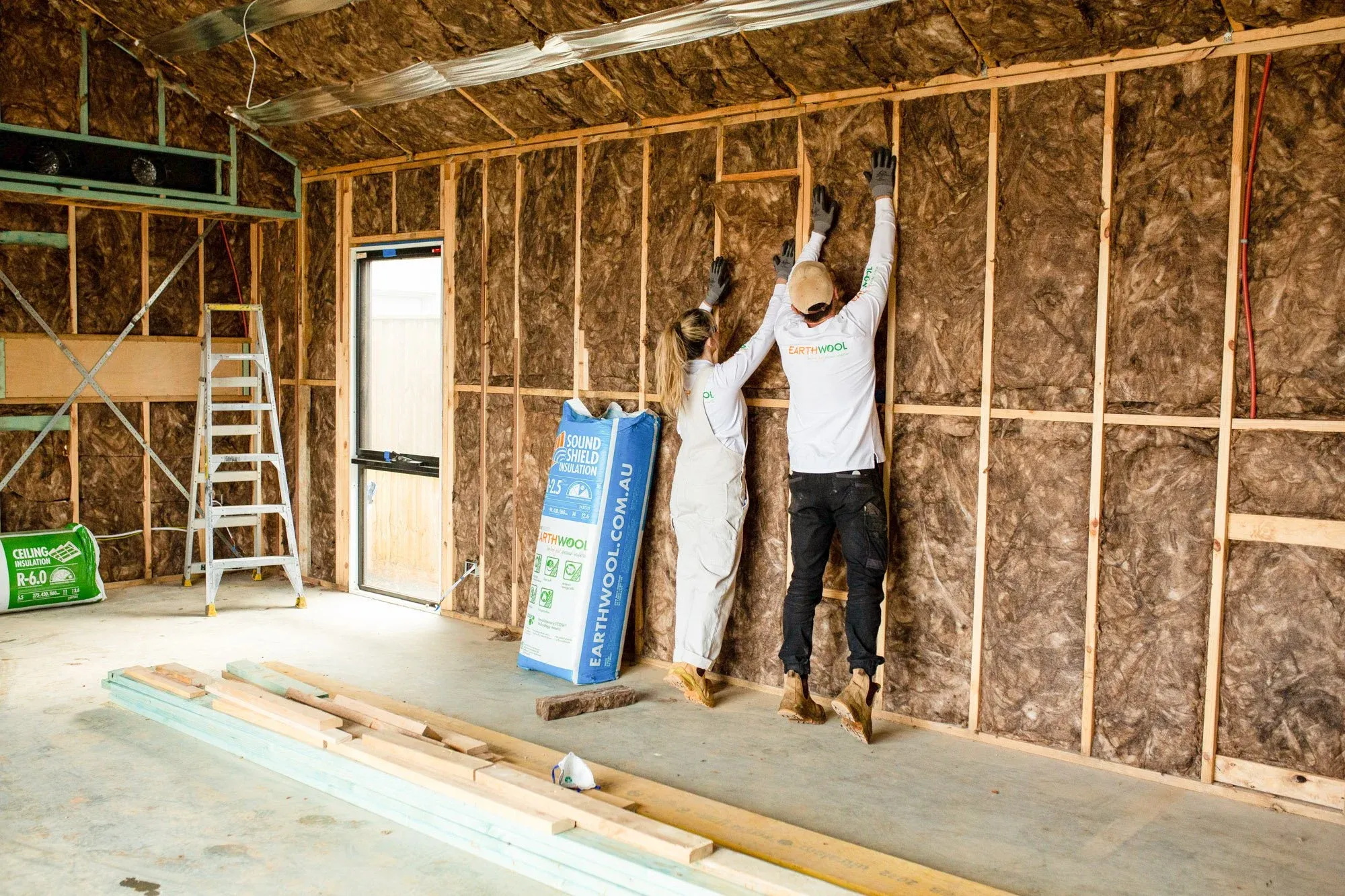
Sustainable home insulation upgrades are becoming a cornerstone of eco-friendly living. As energy prices rise and climate concerns grow, homeowners are searching for ways to reduce consumption without sacrificing comfort. Imagine a house that stays cool in summer and warm in winter, all while lowering utility bills and minimizing environmental impact. That’s the promise of sustainable insulation—smart design that benefits both people and the planet.
Why Sustainable Home Insulation Upgrades Matter
Energy efficiency is no longer a luxury; it’s a necessity. Traditional insulation often relies on materials that are harmful to the environment or degrade quickly. Sustainable home insulation upgrades solve this by using eco-friendly materials like cellulose, sheep’s wool, or recycled denim. These options not only provide excellent thermal performance but also reduce waste. For example, a family in Jaipur who upgraded to cellulose insulation saw their electricity bills drop significantly while enjoying a more comfortable indoor climate.
The Rise of Eco-Friendly Building Practices
Green building practices are reshaping construction worldwide. Sustainable home insulation upgrades fit perfectly into this movement, offering solutions that align with environmental goals. Builders and homeowners are increasingly choosing materials that are renewable, recyclable, and non-toxic. Whether it’s cork insulation panels or hemp-based batts, these innovations prove that sustainability and performance can go hand in hand.
Key Types of Sustainable Home Insulation Upgrades
Cellulose Insulation
Made from recycled paper, cellulose is one of the most popular sustainable home insulation upgrades. It’s treated for fire resistance and provides excellent thermal and acoustic performance. Its eco-friendly nature makes it a favorite among green builders.
Sheep’s Wool
Sheep’s wool is natural, renewable, and highly effective at regulating humidity. It’s a versatile option that keeps homes warm in winter and cool in summer. Many homeowners appreciate its biodegradable qualities.
Recycled Denim
Old jeans find new life as insulation. Recycled denim is safe to handle, non-toxic, and offers strong thermal resistance. It’s a creative way to reduce textile waste while improving home efficiency.
Cork and Hemp
Cork panels and hemp batts are gaining popularity for their sustainability and durability. They are renewable resources that provide excellent insulation while being resistant to pests and mold.
Real-Life Examples of Sustainable Insulation
Consider Anita, a homeowner in Bengaluru. She replaced her old fiberglass insulation with recycled denim. The result was a quieter, more comfortable home and lower electricity bills. Similarly, in London, families are opting for sheep’s wool insulation, appreciating its natural properties and eco-friendly appeal. These stories highlight how sustainable home insulation upgrades deliver tangible benefits.
Benefits Beyond Energy Savings
While reducing bills is the obvious advantage, sustainable home insulation upgrades offer more. They improve indoor air quality by avoiding toxic materials. They also enhance comfort by regulating temperature and humidity. Additionally, they contribute to global sustainability efforts by reducing reliance on non-renewable resources. For homeowners, this means living in a healthier, more responsible environment.
How to Choose the Right Sustainable Insulation
When selecting insulation, consider factors like climate, budget, and material availability. Some options, like cellulose, are ideal for colder regions, while cork may be better suited for humid climates. Always check certifications to ensure materials meet safety and sustainability standards. By aligning with sustainable home insulation upgrades, homeowners can make choices that benefit both their household and the environment.
The Future of Sustainable Home Insulation Upgrades
Innovation continues to drive this field forward. Researchers are exploring bio-based foams, nanotechnology-enhanced materials, and smart insulation that adapts to changing conditions. Imagine walls that adjust thermal resistance automatically based on weather patterns. As technology evolves, sustainable home insulation upgrades will become even more efficient, accessible, and impactful.
Storytelling Angle: A Day in a Sustainable Home
Picture waking up in a home where the temperature is perfectly balanced, without relying heavily on air conditioning or heating. The walls are insulated with recycled materials, keeping energy use low. As you sip your morning coffee, you check your utility app and see reduced consumption compared to last year. This is the lifestyle powered by sustainable home insulation upgrades—comfort, savings, and sustainability seamlessly integrated.