


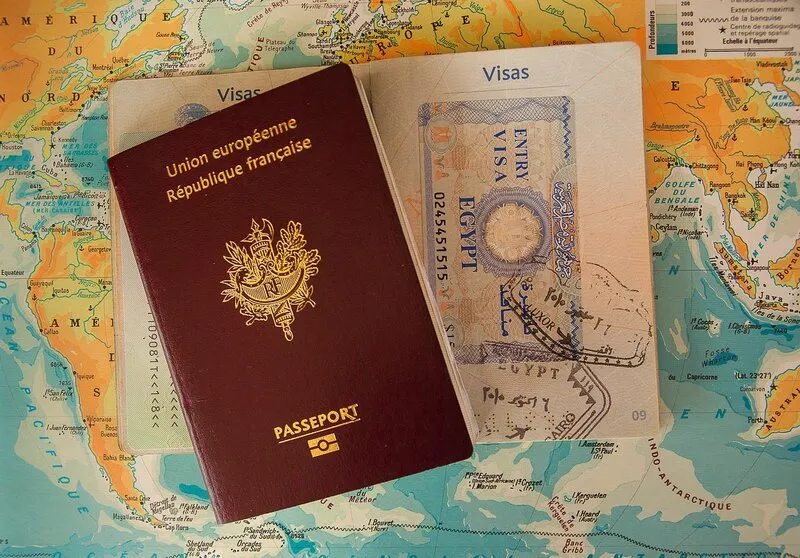
Digital Nomad Visas have fundamentally transformed the concept of the “office” from a fixed physical location to a boundless global horizon, allowing professionals to blend their careers with world exploration. I remember sitting in a cramped apartment in London three years ago, staring at a grey sky and wondering if there was a legal way to keep my job while living in a place where the sun actually shone. Back then, most remote workers operated in a grey area, hopping between three-month tourist stamps and hoping they wouldn’t get questioned at immigration about their laptops.
The landscape shifted almost overnight when countries realized that remote workers were an untapped economic goldmine. These individuals don’t take local jobs; instead, they bring foreign currency into the local economy, renting apartments and frequenting local cafes without putting a strain on the domestic labor market. This realization led to the birth of a formal legal bridge that we now recognize as a vital tool for the modern workforce.
For anyone who has ever dreamed of working from a balcony overlooking the Amalfi Coast or a quiet garden in Kyoto, the introduction of these permits has been a game-changer. It provides the one thing that nomadic life previously lacked: stability. You no longer have to worry about “visa runs” or the legality of your presence in a foreign country. You are a recognized resident with the right to stay, often for a year or more, provided you meet certain criteria.
Understanding the Landscape of Digital Nomad Visas
The variety of options available today is staggering, but each comes with its own unique set of rules and expectations. Europe was a first mover in this space, with nations like Estonia and Croatia leading the charge. They recognized that a remote developer from New York or a digital marketer from Sydney contributes significantly to the local culture and economy. These countries created structured pathways that are relatively easy to navigate if you have a steady income and a clean criminal record.
When you start researching your options, you will find that the financial requirements vary wildly depending on the cost of living in the host nation. For example, a Mediterranean country might require a monthly income of around three thousand euros, while an Eastern European nation might set the bar much lower. This diversity allows nomads to choose a destination that not only fits their aesthetic preferences but also aligns with their financial reality. It is a market where countries are effectively competing for your presence.
Authoritative advice for any prospective traveler is to look beyond the flashy marketing brochures and dive deep into the tax implications of each permit. Some countries offer tax exemptions for the duration of the visa, while others might consider you a tax resident after you have spent six months within their borders. Understanding the difference between a “right to stay” and a “tax obligation” is the mark of an experienced nomad who knows how to protect their hard-earned income while staying compliant with international laws.
In my experience, the most successful applicants are those who treat the process with the same level of professionalism they bring to their jobs. You will need to gather a mountain of documentation, ranging from proof of remote employment to comprehensive health insurance that covers you globally. Many of these nations require documents to be apostilled or translated by certified professionals, so giving yourself a lead time of at least three months is a wise move to avoid last-minute stress.
Navigating the Requirements for Modern Digital Nomad Visas
One of the most critical hurdles in securing one of these permits is the proof of income. Governments want to ensure that you won’t become a burden on their social systems, so they often require several months of bank statements or a formal contract from your employer. If you are a freelancer, this can be slightly more complex, as you may need to show a consistent history of earnings from multiple clients. The goal is to prove that your income is independent of the local geography.
Health insurance is another non-negotiable factor that often catches people off guard. A standard travel insurance policy usually won’t suffice for a long-term residency permit. You will likely need a policy specifically designed for digital nomads or international expats, covering everything from routine check-ups to emergency evacuations. Providing proof of this coverage is often a primary requirement for the application to even be considered by the immigration authorities.
A significant part of the Digital Nomad Visas application process involves a background check. Most countries will require a police clearance certificate from your home country or any country where you have lived for a significant period. This is an area where Expertise in the local bureaucracy of your home country becomes vital, as obtaining these records can sometimes take weeks of back-and-forth with government agencies.
Once you have your documents in order, the application method itself can vary. Some nations allow for a completely digital application through an online portal, while others require you to visit a consulate in person. There are even some destinations, like Bermuda or Barbados, where the process is so streamlined that you can receive an approval in as little as forty-eight hours. These “low-friction” options are incredibly popular for those who want to move quickly and start their new life in the sun.
The Financial Realities of Relocation
Living as a nomad is often portrayed as a perpetual vacation, but the financial reality requires careful planning and discipline. While your income remains the same, your expenses will fluctuate based on exchange rates, local inflation, and the cost of housing. In popular hubs like Lisbon or Mexico City, the influx of remote workers has driven up rents significantly, sometimes creating tension with the local population. Being a responsible nomad means being aware of your impact and choosing neighborhoods where you contribute to the community rather than displacing it.
Many travelers use specialized banking services that offer low-fee currency exchanges and international wire transfers. Keeping your finances in a “nomad-friendly” bank allows you to pay for your apartment in local currency without losing a significant percentage to hidden bank fees. Additionally, you should always maintain an emergency fund that can cover a flight home and a month of expenses, just in case your remote contract is unexpectedly terminated or the political situation in your host country changes.
The cost of the visa application itself should also be factored into your budget. Fees can range from a few hundred dollars to several thousand, and they are usually non-refundable regardless of whether your application is approved. Some countries also require a “security deposit” or proof of a certain amount of savings in a local bank account. These upfront costs mean that the nomadic lifestyle requires a bit of initial capital before you can truly enjoy the benefits of global mobility.
It is also worth considering the “invisible costs” of moving every twelve months. Setting up a new home involves buying kitchen supplies, paying for high-speed internet installation, and perhaps joining a coworking space. These costs add up, and many nomads find that staying in one place for at least six to twelve months is the sweet spot for balancing the thrill of adventure with financial sustainability. The longer you stay, the more you can amortize these initial setup costs.
Building Community in a Foreign Land
Loneliness is the silent challenge of the remote work lifestyle. When you move to a country where you don’t speak the language and have no existing social network, the first few weeks can be isolating. Digital nomad hubs—cities known for attracting remote workers—offer a solution through a ready-made community of like-minded individuals. Places like Bansko in Bulgaria or Chiang Mai in Thailand have become legendary for their social scenes, where you can find a mentor, a workout partner, or a friend for dinner within hours of arriving.
Coworking spaces are the cathedrals of the nomadic world. They provide more than just a desk and fast Wi-Fi; they are the primary social hubs where professional and personal lives intersect. Many spaces host networking events, skill-sharing workshops, and weekend trips, making it easy to integrate into the local expat community. Choosing a good coworking space is often the most important decision you will make for your mental health and productivity when moving to a new country.
However, true integration involves stepping outside the “expat bubble” and engaging with the local culture. Learning the basics of the local language is not just a sign of respect; it is a gateway to deeper experiences that the average tourist never gets to have. Whether it’s chatting with the vegetable vendor at the market or attending a local festival, these interactions are what make the experience of living abroad truly meaningful. Digital Nomad Visas give you the time to build these relationships, moving you from the status of a visitor to that of a neighbor.
Many nomads also find fulfillment in volunteering or participating in local projects. Whether it’s teaching English, helping at a local animal shelter, or joining a community garden, giving back to the place that is hosting you is a powerful way to find purpose and connection. This reciprocity is the foundation of a healthy and sustainable nomadic ecosystem, ensuring that the presence of remote workers is viewed as a positive force by the local community.
Technology and the Nomadic Office
Your career is the engine that powers your nomadic life, so your technical setup must be bulletproof. High-speed internet is the lifeblood of remote work, and many nomads will not book an accommodation without first seeing a screenshot of a speed test. In some parts of the world, power outages are common, so having a high-capacity power bank and a local SIM card with plenty of data for a hotspot is a standard “insurance policy” for any professional.
The tools you use to manage your work across time zones are also vital. Apps that track your hours, manage your tasks, and coordinate meetings across different continents ensure that you remain productive despite the distractions of a beautiful new environment. Communication with your team back home must be proactive and transparent; when they can’t see you in the office, your “visibility” is maintained through the quality and consistency of your digital output.
Cybersecurity is an often-overlooked aspect of the nomadic office. Using public Wi-Fi in cafes and airports puts your data and your company’s information at risk. A high-quality VPN (Virtual Private Network) is an essential tool for any remote worker, providing an encrypted tunnel for your data and allowing you to access services that might be geo-blocked in your current location. Treating your digital security with the same care as your physical security is a requirement for any long-term professional traveler.
Ergonomics also play a role in your long-term success. Spending eight hours a day hunched over a laptop on a kitchen chair will eventually lead to physical strain. Many seasoned nomads carry a portable laptop stand, a separate keyboard, and a mouse to create a more ergonomic workspace wherever they go. Taking care of your body ensures that you have the energy to explore your new surroundings once the workday is finished.
Assessing Economic Influence and Local Impact
The rise of nomadic workers has sparked a fascinating debate about the future of urban development. Governments are now looking at how to make their cities more attractive to this mobile workforce by investing in green spaces, bicycle infrastructure, and high-speed fiber networks. This “competition for talent” is driving improvements that benefit the local population as much as the visiting nomads. A city that is good for a digital nomad is often a city that is highly livable for everyone.
However, we must also address the challenges of gentrification. In cities like Lisbon, the massive influx of foreign workers has contributed to a housing crisis for the local population. Some governments are responding by introducing regulations on short-term rentals or creating specific “nomad villages” in rural areas that need an economic boost. As a traveler, choosing to live in secondary cities or less crowded regions can be a way to enjoy the benefits of a country while spreading the economic impact more evenly.
There is also a cultural exchange that happens when people from all over the world converge in a single location. Nomads bring new ideas, different ways of working, and diverse perspectives that can enrich the local creative and tech scenes. Many countries encourage this through “startup visas” or innovation hubs that invite nomads to collaborate with local entrepreneurs. This cross-pollination of ideas is one of the most exciting long-term benefits of global mobility.
As more countries join the list of those offering Digital Nomad Visas, we are seeing a move toward more standardized and accessible immigration policies. Some regions, like the European Union, are even discussing a “Schengen-wide” nomad permit that would allow for legal remote work across multiple countries. This evolution reflects a world that is becoming increasingly comfortable with the idea that work is something you do, not somewhere you go.
The Psychological Resilience of the Nomad
While the photos of beachside offices are alluring, the nomadic lifestyle requires a high degree of mental resilience and adaptability. You will face bureaucratic hurdles, language barriers, and the occasional feeling of being “unmoored” from your original home. Learning to embrace these challenges as part of the adventure is what separates the long-term nomad from the person who goes home after three months. It is a constant process of problem-solving and self-discovery.
Developing a routine is the secret to staying grounded while the world around you is constantly changing. Whether it’s a morning yoga practice, a specific way you start your workday, or a weekly call with family back home, these anchors provide a sense of continuity. Your “home” becomes your routine rather than a specific set of walls. This mental shift is what allows you to feel comfortable and productive whether you are in a high-rise in Kuala Lumpur or a cottage in the Portuguese countryside.
The ability to say “no” to distractions is another vital skill. When you live in a beautiful place, there is a constant temptation to skip work and go exploring. Successful nomads develop the discipline to treat their work hours as sacred, knowing that their career is the ticket to their freedom. The “work hard, play hard” mentality is not just a cliché in this world; it is a survival strategy that ensures you can sustain this lifestyle for as long as you desire.
Reflecting on your journey and the growth you experience is also a powerful part of the nomadic life. You will learn more about yourself in a year of traveling than in five years of staying in one place. You will discover your limits, your passions, and your capacity for connection. This personal evolution is the greatest souvenir you will ever bring back, far more valuable than any physical object you could fit in your suitcase.
Long-term Prospects for Remote Work Mobility
The future of global work is undeniably mobile. As the technology for remote collaboration improves and more industries embrace the remote model, the demand for flexible residency options will only continue to grow. We are likely to see even more innovative solutions, such as “multi-country” permits or specialized insurance products that provide a global safety net for the mobile workforce. The legal framework is finally catching up with the reality of our digital lives.
For the individual, the availability of these permits means that you are no longer limited by your local job market or your country’s economic situation. You have the power to “geo-arbitrage” your life, earning a salary in a strong currency while living in a country with a lower cost of living and a higher quality of life. This financial freedom is one of the most compelling reasons why so many people are choosing the nomadic path.
Governments will also continue to refine their offerings, looking for ways to attract the specific types of talent they need. We might see visas tailored for green energy researchers, digital artists, or healthcare consultants. The “immigration market” is becoming more specialized and competitive, which is a win for the talented professional who wants to see the world. Your skills are your passport in the twenty-first century.
Ultimately, the goal of this movement is to create a world where people are free to live and work wherever they feel most inspired and productive. Whether you choose to be a nomad for a year or a lifetime, the experience will change your perspective on what it means to be a global citizen. The doors are open, and the world is waiting for you to log in from somewhere new.
The journey of a thousand miles begins with a single application. If you have the skills, the curiosity, and the drive, there is no reason to stay tethered to a single spot. Take the leap, do your research, and start planning your next chapter. The “office” of the future is wherever you decide to put your laptop today.
As you embark on this path, remember that you are a pioneer in a new way of living. Be kind to yourself as you navigate the learning curve, stay curious about the world around you, and never stop looking for the beauty in the journey. The world has never been more accessible, and the opportunity to live a truly global life is right at your fingertips.
Embracing this lifestyle is an act of courage and an investment in your own happiness. It challenges the traditional notions of success and invites you to define a life on your own terms. Whether you find your paradise in a bustling city or a quiet mountain village, the lessons you learn and the people you meet will stay with you forever. The world is a vast and wonderful place, and it’s time you saw it for yourself, one workday at a time.
Read also :-
snapchat planeter
bsf list planets order
bsf planets
chogis930.5z
planets bsf list
bsf list planet