


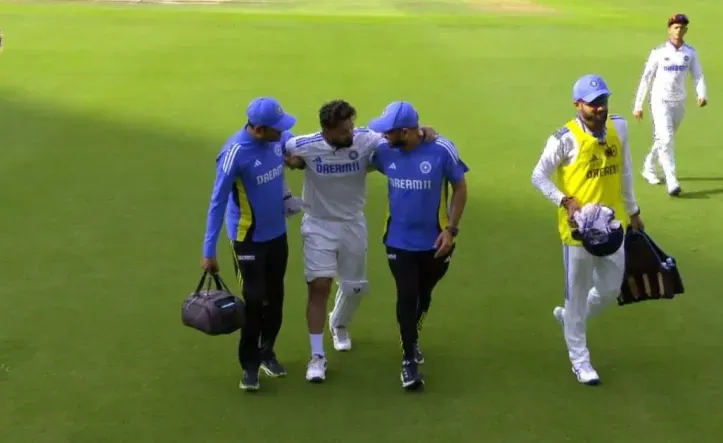
Cricket injury replacement rules have become one of the most discussed aspects of the modern game. As cricket grows faster and more physically demanding, player safety and fairness have taken center stage.
Not long ago, if a player got injured mid-match, teams simply had to cope. A substitute fielder could step in, but batting or bowling replacements were rarely allowed.
Today, the landscape has changed dramatically.
From concussion substitutes to tactical Impact Players, the rulebook has evolved to protect athletes while maintaining competitive balance.
Table of Contents
ToggleThe Evolution of Cricket Injury Replacement Rules
In traditional cricket, substitutions were extremely limited.
A substitute could field but could not bat or bowl. That often left teams struggling if a key player was injured early in the game.
The turning point came when governing bodies recognized the serious risks associated with head injuries. The introduction of concussion substitutes changed how injuries were managed.
Under guidelines set by the International Cricket Council, teams can now replace a concussed player with a “like-for-like” substitute.
This marked a major milestone in the development of Cricket injury replacement rules.
Understanding the Concussion Substitute Rule
The concussion substitute rule was introduced to prioritize player safety.
If a player suffers a head injury during a match, a medical professional evaluates the situation. If concussion is confirmed, a replacement can be approved by match officials.
The substitute must be similar in role to the injured player. A specialist batter cannot be replaced by a fast bowler unless roles align closely.
This safeguard prevents teams from misusing the system tactically.
The introduction of concussion substitutes reshaped Cricket injury replacement rules across formats.
Real-Life Example: A Game-Changing Substitution
One of the most talked-about moments occurred when Marnus Labuschagne became Test cricket’s first concussion substitute.
He replaced Steve Smith during an Ashes Test after Smith suffered a blow to the head.
Labuschagne went on to score crucial runs.
The incident demonstrated how safety-focused Cricket injury replacement rules could still maintain competitive integrity.
It also highlighted the importance of having prepared bench strength.
The Impact Player Rule in Franchise Cricket
In franchise tournaments, innovation has gone even further.
The Indian Premier League introduced the Impact Player rule, allowing teams to substitute one player during the match for tactical reasons.
While not strictly injury-related, it intersects with squad flexibility and workload management.
Teams can adapt to match situations dynamically.
This modern twist adds complexity to discussions around Cricket injury replacement rules in T20 cricket.
Substitute Fielders: The Traditional Rule
Before modern reforms, substitute fielders were the only option.
If a player was injured, another squad member could field in their place. However, they were not allowed to bat or bowl.
While practical for minor injuries, this system often disadvantaged teams when serious injuries occurred.
The limitations of substitute fielders exposed the need for stronger Cricket injury replacement rules.
The sport has gradually responded with more comprehensive solutions.
Fairness Versus Tactical Exploitation
One challenge in expanding substitution rights is preventing misuse.
Officials carefully assess whether a concussion substitute is genuinely “like-for-like.” This prevents teams from exploiting injuries to gain strategic advantage.
Maintaining fairness remains central.
The integrity of competitions depends on transparent enforcement of Cricket injury replacement rules.
Balancing safety and competitive equity is never simple.
Role of Medical Protocols
Medical assessment now plays a crucial role.
On-field doctors conduct standardized concussion checks. Symptoms such as dizziness, confusion, or blurred vision are taken seriously.
Players are monitored even after the match ends.
Stricter medical oversight ensures Cricket injury replacement rules prioritize long-term player welfare rather than short-term results.
This approach reflects cricket’s commitment to athlete safety.
Differences Across Formats
Rules vary slightly across Test, ODI, and T20 cricket.
In Tests, replacements for concussion are allowed but tactical substitutions are limited.
In T20 leagues like the Big Bash League, regulations may include additional flexibility depending on tournament guidelines.
International competitions strictly follow ICC protocols.
Understanding format-specific nuances is essential when analyzing Cricket injury replacement rules.
Injury Replacements in Women’s Cricket
Women’s cricket follows similar concussion guidelines.
Global tournaments such as the ICC Women’s T20 World Cup implement standardized replacement rules.
This consistency ensures gender parity in safety regulations.
The expansion of medical protocols in women’s cricket demonstrates a unified global approach.
Safety standards apply universally under modern Cricket injury replacement rules.
Tactical Depth and Squad Planning
Teams now select squads with greater strategic depth.
Knowing a concussion substitute is possible, selectors ensure balance across batting and bowling roles.
Bench players must stay mentally prepared.
A substitute may enter high-pressure situations without prior notice.
Strategic squad construction has become intertwined with Cricket injury replacement rules in modern cricket.
Controversies and Debates
Not every substitution decision goes unquestioned.
Opposing teams sometimes argue whether replacements truly match the injured player’s role.
Debates often center around perceived tactical benefits.
Such controversies underscore the importance of transparent decision-making.
Trust in Cricket injury replacement rules depends on impartial officiating and clear communication.
Player Safety in the Fast Bowling Era
Modern cricket is faster and more intense.
High-speed bowlers routinely exceed 145 km/h. Protective equipment has improved, but risks remain.
Head injuries are particularly serious.
The strengthening of Cricket injury replacement rules reflects the sport’s recognition of these physical realities.
Safety is no longer optional—it is foundational.
Technology Supporting Injury Decisions
Advancements in technology assist medical teams.
Video replays help officials assess impact severity. Wearable devices monitor physiological responses.
Data-driven analysis supports clinical decisions.
This integration of technology reinforces the reliability of Cricket injury replacement rules.
Evidence-based assessments reduce subjectivity.
Psychological Impact on Teams
An injury mid-match can disrupt team morale.
Knowing a capable replacement can step in reduces panic.
Confidence in the system stabilizes performance levels.
Players focus on strategy rather than worrying about structural disadvantage.
That reassurance strengthens the effectiveness of Cricket injury replacement rules in high-pressure matches.
Future Developments in Replacement Policies
Cricket continues evolving.
Discussions occasionally emerge around broader tactical substitutions, especially in limited-overs formats.
However, expanding rules must preserve fairness.
Any future changes will likely prioritize medical necessity first.
The trajectory of Cricket injury replacement rules suggests continued refinement based on player welfare research.
EEAT Perspective on Injury Replacement Rules
Experience in professional cricket highlights the importance of safety protocols.
Expert medical input strengthens credibility.
Authority rests with governing bodies like the International Cricket Council, which set standardized guidelines.
Trustworthiness emerges when rules are applied consistently across tournaments and nations.
The evolution of Cricket injury replacement rules demonstrates cricket’s willingness to adapt responsibly.
Cricket has always balanced tradition with innovation.
While purists once resisted mid-match substitutions, the modern era recognizes that player welfare cannot be compromised.
Today’s rulebook reflects decades of learning, medical research, and competitive adjustments.
As the game grows faster and more demanding, protective measures will continue evolving.
And every time a substitute steps onto the field to replace an injured teammate, it represents progress rooted in care, fairness, and the future of cricket.
Read also:-
australian men’s cricket team vs west indies cricket team match scorecard
india national cricket team vs new zealand national cricket team standings
pakistan national cricket team vs south africa national cricket team match scorecard
bangladesh national cricket team vs west indies cricket team matches