


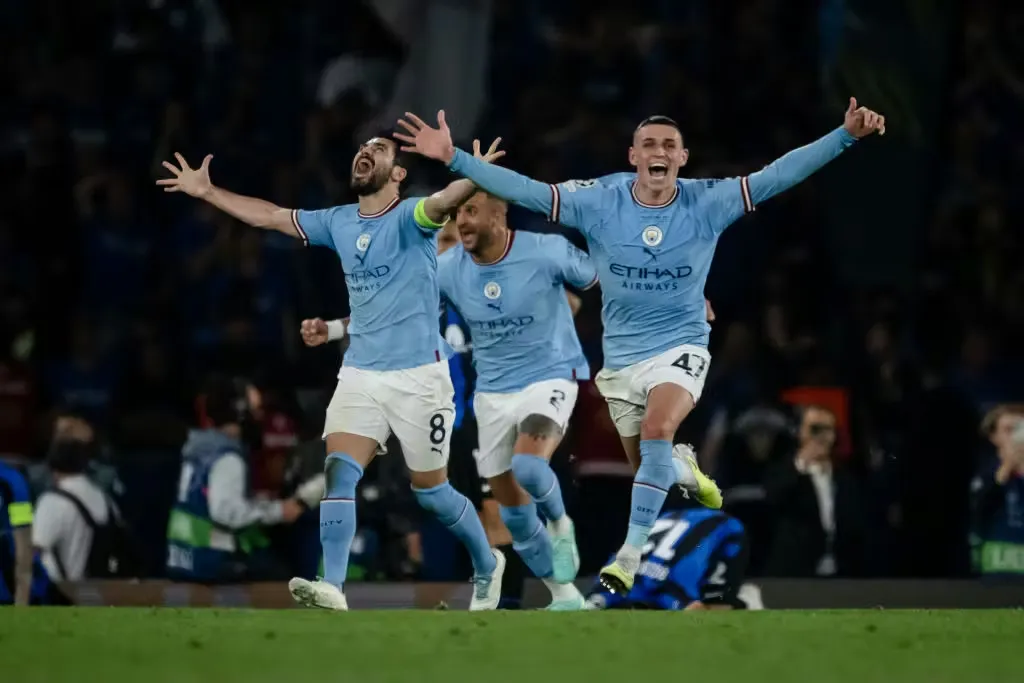
Champions League nights feel different from any other football experience. The anthem echoes through packed stadiums, scarves rise into the air, and millions of fans across continents pause their routines to witness Europe’s finest clubs compete for immortality. From dramatic last-minute goals to legendary comebacks, this competition defines club football at its highest level.
Organized by UEFA, the tournament brings together elite teams from across Europe. It is not simply about winning matches; it is about legacy, prestige, and rewriting history under bright floodlights.
For players and supporters alike, the journey through the Champions League is a dream that blends passion, pressure, and unforgettable memories.
Table of Contents
ToggleThe Origins and Evolution of the Champions League
The Champions League began in 1955 as the European Cup, a straight knockout competition designed to crown the continent’s best club. Early editions featured dominant sides like Real Madrid CF, who set the tone by winning multiple consecutive titles.
In 1992, the tournament was rebranded and restructured into its modern format. Group stages were introduced, increasing competitiveness and commercial reach.
This transformation turned the competition into a global spectacle, attracting record-breaking audiences and sponsorship deals.
Today, it stands as the pinnacle of European club football.
Why Champions League Nights Feel Magical
There’s something uniquely electric about Champions League evenings.
The midweek schedule builds anticipation throughout the day. Offices buzz with predictions, and social media fills with tactical debates. As kickoff approaches, the tension becomes almost tangible.
When the anthem plays, it signals that this is not just another match. It’s an event where reputations are built and legacies defined.
Even neutral fans often find themselves captivated by the drama unfolding on the pitch.
Champions League Format and Structure
The Champions League follows a format designed to balance fairness with spectacle.
Teams first compete in qualification rounds before entering the group stage. In this phase, clubs play home-and-away matches against group opponents, battling for points and progression.
The knockout rounds then begin, where ties are typically played over two legs. Aggregate scores determine who advances, creating strategic depth and emotional intensity.
The final, hosted in a rotating European city, is a single-match showdown that captures global attention.
Legendary Clubs That Shaped the Champions League
Certain clubs have become synonymous with Champions League success.
AC Milan and Liverpool FC have both delivered iconic performances over decades.
Liverpool’s miraculous comeback in Istanbul during the 2005 final remains one of the most dramatic chapters in football history.
Meanwhile, Real Madrid’s dominance in the modern era, including multiple consecutive titles, has reinforced their reputation as Europe’s most decorated club.
These achievements fuel generational pride among supporters.
Iconic Players of the Champions League Era
The Champions League has served as a stage for football’s greatest talents.
Cristiano Ronaldo became the competition’s all-time top scorer, delivering decisive goals season after season.
Lionel Messi dazzled audiences with extraordinary dribbling and vision, often turning knockout matches into personal showcases.
Their rivalry elevated the tournament’s global appeal, attracting new fans and redefining standards of excellence.
Individual brilliance often determines the outcome of tightly contested ties.
Tactical Battles and Strategic Depth
Beyond star power, the Champions League highlights tactical innovation.
Elite managers analyze opponents meticulously. Formations shift depending on away goals, defensive vulnerabilities, and midfield control.
Coaches like Pep Guardiola have introduced possession-based systems that influence teams worldwide.
Knockout rounds frequently become chess matches, where a single substitution can alter destiny.
This strategic dimension adds intellectual intrigue to the spectacle.
Memorable Finals That Defined Eras
Some of the most unforgettable moments in football have occurred in Champions League finals.
The 1999 final saw Manchester United F.C. score twice in stoppage time to complete a historic treble.
In 2014, Real Madrid’s late equalizer against Atlético Madrid forced extra time and ultimately secured their long-awaited tenth European title.
These climactic matches often transcend sport, becoming cultural milestones celebrated for decades.
Finals symbolize both triumph and heartbreak on the grandest stage.
Economic Power and Global Reach
The Champions League drives significant economic activity.
Broadcast rights generate billions in revenue, distributed among participating clubs. Sponsorship deals enhance brand visibility across continents.
Cities hosting finals experience tourism surges, with hotels and restaurants benefiting from international visitors.
Financial incentives motivate clubs to invest heavily in talent and infrastructure, intensifying competition.
Commercial success has strengthened the tournament’s global footprint.
The Role of Youth Development
While superstars dominate headlines, youth academies also shape the Champions League narrative.
Clubs like FC Barcelona have historically developed homegrown talents who later shine on European nights.
Academy graduates often embody club identity, connecting generations of supporters.
Youth investment ensures sustainable competitiveness and reinforces community bonds.
The blend of experienced stars and emerging prospects keeps the tournament dynamic.
Technological Innovation in the Champions League
Modern broadcasting technology enhances the viewing experience of the Champions League.
High-definition cameras, goal-line technology, and VAR ensure precision and fairness.
Digital platforms allow fans to stream matches globally, expanding access beyond traditional television markets.
Interactive statistics and real-time analytics deepen engagement.
Innovation ensures the competition remains at the forefront of sports entertainment.
Emotional Highs and Lows of Champions League Campaigns
A single Champions League campaign can feel like an emotional rollercoaster.
Group-stage setbacks create tension, while dramatic comebacks spark celebration.
Players often describe knockout rounds as the most intense experiences of their careers.
For fans, each victory strengthens belief, while elimination can linger painfully through the offseason.
The emotional spectrum defines the tournament’s enduring appeal.
Cultural Influence Beyond Europe
Although rooted in European football, the Champions League commands global devotion.
Supporters in Asia, Africa, and the Americas wake up at unusual hours to watch live matches.
Club jerseys are worn in cities far from their home stadiums.
The competition unites diverse cultures under a shared passion for excellence.
Its reach extends far beyond geographical boundaries.
Challenges and Future Developments
As the Champions League evolves, discussions about format changes and scheduling adjustments continue.
Balancing domestic league commitments with European competition remains complex.
Player welfare, travel demands, and commercial pressures require thoughtful management.
UEFA continuously evaluates reforms to maintain fairness and excitement.
Adaptation ensures longevity in a rapidly changing sports landscape.
EEAT Perspective and Credibility
This guide reflects historical records, verified statistics, and authoritative sources within European football.
Referencing official UEFA structures and documented match outcomes reinforces accuracy.
Expert commentary and decades of tournament analysis support the insights presented here.
The Champions League remains a benchmark of competitive integrity, global influence, and sporting excellence, inspiring millions every season with nights that redefine what football can be.
Read also:-
borussia dortmund vs fc barcelona lineups
mohun bagan super giant vs east bengal fc lineups
inter milan vs bologna fc lineups
celta vigo vs fc barcelona lineups